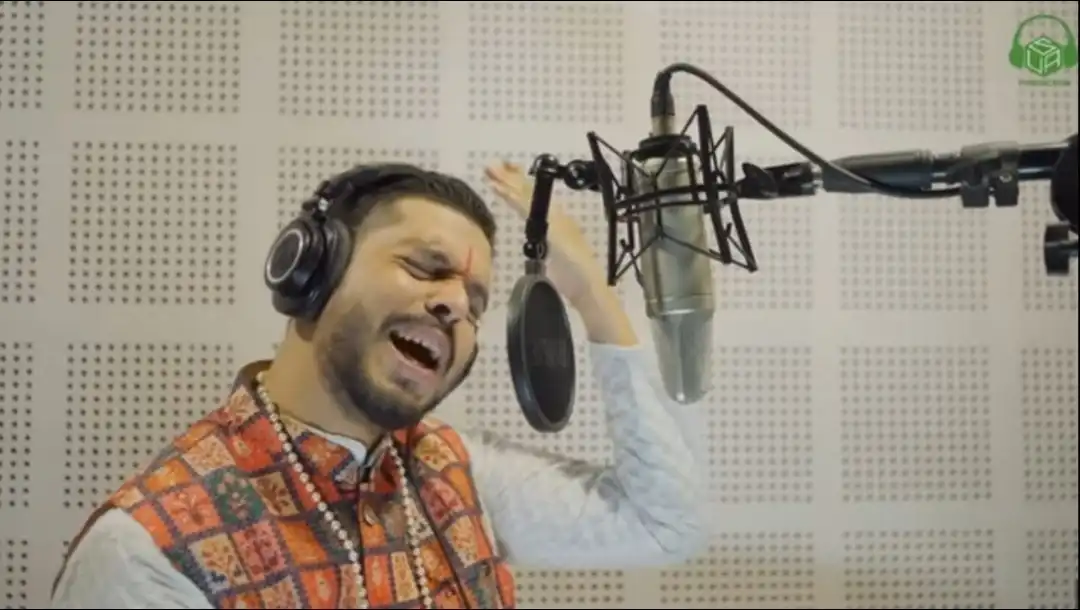
From reimagining the Ramayana through rap to preserving Rajasthan’s folk traditions, singer-composer Someshwar Mahadevan talks about culture, creativity, Gen Z and why traditions must evolve to stay alive.
Someshwar believes, “The journey may carry my name, but the message belongs to the next generation.”
Excerpts from the interview:
What does the Ramayana mean to you personally?
For me, the Ramayana is not merely a scripture or an ancient story. It is a guide to living — to understanding responsibility, relationships, sacrifice, courage, compassion and the consequences of our choices.
What stays with me most about Lord Shri Ram is His discipline, restraint and commitment to dharma, even in difficult circumstances.
These values are especially relevant today, when we live in a world of instant reactions and instant gratification. I don’t want to preach to young people; I want to give them something that makes them pause and think.
That is why I created Ramcharit Rap — not to modernise Lord Shri Ram, but to create a contemporary doorway through which a new generation can discover timeless wisdom.
What was the hardest part of creating Ramcharit Rap?
The hardest part was finding the courage to begin.
Bringing the essence of all seven Kaands of the Ramayana into roughly six minutes of contemporary rap was an ambitious creative challenge, especially without large institutional funding behind it.
The project is also deeply personal. My father, Dr Hariom Narayan Sharma, was my first guru. He was a trained classical singer who taught me bhajans and harmonium. After he passed away in 2020, I brought my mother, Manju Sharma, into USA CUBE PRODUCTION as a producer so we could continue building something meaningful together.
So Ramcharit Rap carries more than music. It carries family, faith, struggle and persistence.
The creative challenge was to achieve modernity without dilution and creativity without losing the soul of the story.
Were you ever worried about how people would react to a rap version?
Yes, certainly.
When you present something as culturally significant as the Ramayana through rap, you know people will ask: Why rap? Why this format?
But I believe culture survives when every generation finds its own way of engaging with it.
My intention was never to change the Ramayana. I have simply tried to create another doorway into it.
If someone hears Ramcharit Rap and becomes curious enough to open the Ramayana or Ramcharitmanas and learn more, then I believe the experiment has achieved something meaningful.
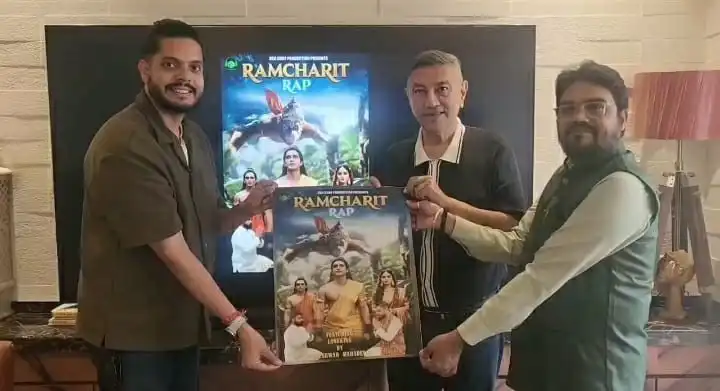 Launch by Producer-Director Suneel Darshan
Has any young listener said something that stayed with you?
What stays with me is not simply someone complimenting the music. It is when something I have created makes a young person curious about their own culture. That means more to me than numbers.
I see music as a doorway — something that can lead people towards a story, an idea or another part of themselves.
That belief also shapes my work through USA CUBE PRODUCTION, where we have provided opportunities to more than 250 artists. I believe a creator’s success should not only be about building their own platform, but also about creating platforms for others.
Can tradition evolve without losing its identity?
Absolutely. India itself is proof that traditions can evolve while retaining their roots.
Our music, languages, literature and storytelling have changed across generations. A story can move from manuscript to stage, cinema, digital media and even rap while remaining rooted in the same cultural soil.
Evolution does not have to mean dilution. My experience creating the Om Song for the Om-shaped temple at Om Ashram in Rajasthan reinforced that belief for me.
We do not have to freeze culture to preserve it. We have to understand its soul deeply enough to carry it into the future.
What do you think young people misunderstand about Indian traditions?
I don’t necessarily think young people misunderstand Indian traditions. Sometimes, we simply have not explained them in a language they can relate to.
If a young person is told, “This is our tradition, therefore you must follow it,” it is natural for them to ask, “Why?” We should welcome that question.
Our traditions contain philosophy, literature, music, ethics, stories and generations of accumulated wisdom. Young people should be encouraged to explore and question them.
Ramcharit Rap is not about telling Gen Z what to believe. It is about creating enough curiosity for them to discover these ideas for themselves.
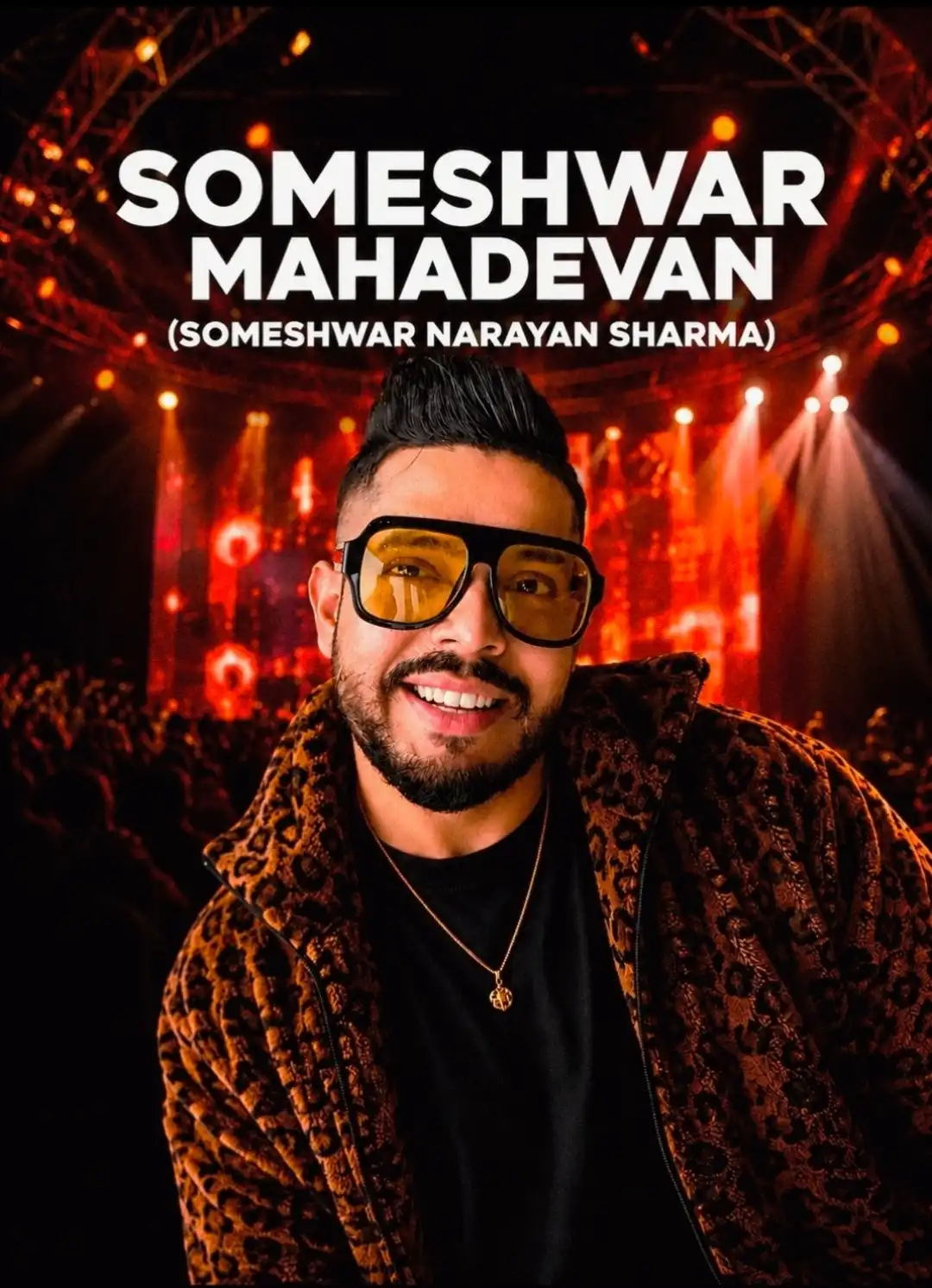 Someshwar Mahadevan
Why are folk traditions like Maand important to preserve?
This is personal to me because I come from Bikaner, Rajasthan, a region with a rich musical heritage.
Maand is not simply a musical form. It carries our language, stories, emotions and the lived experiences of generations. Artists such as Padma Shri Allah Jilai Bai helped carry that heritage far beyond Rajasthan.
I have been working to promote Maand, Mumal and traditional folk instruments because I don’t want them to survive only in archives or history books.
Preservation should not mean putting folk music in a museum. We have to give it room to breathe through young musicians, new compositions, collaborations and digital platforms.
If a young musician experiments with Maand while respecting its soul,that is tradition continuing to live.
Do you think Indian culture changes when it moves overseas?
Yes, naturally. Culture interacts with its surroundings.
Young Indians growing up overseas are influenced both by their Indian heritage and by the societies around them. I don’t see that as a threat. It can create new cultural expressions.
They should not feel they have to choose between being global and being Indian. They can be both.
That is why my vision for Ramcharit Rap goes beyond the 12-state journey in India. If a young Indian thousands of kilometres away hears the rap and starts asking their parents or grandparents about the Ramayana or their heritage, that is a cultural connection worth creating.
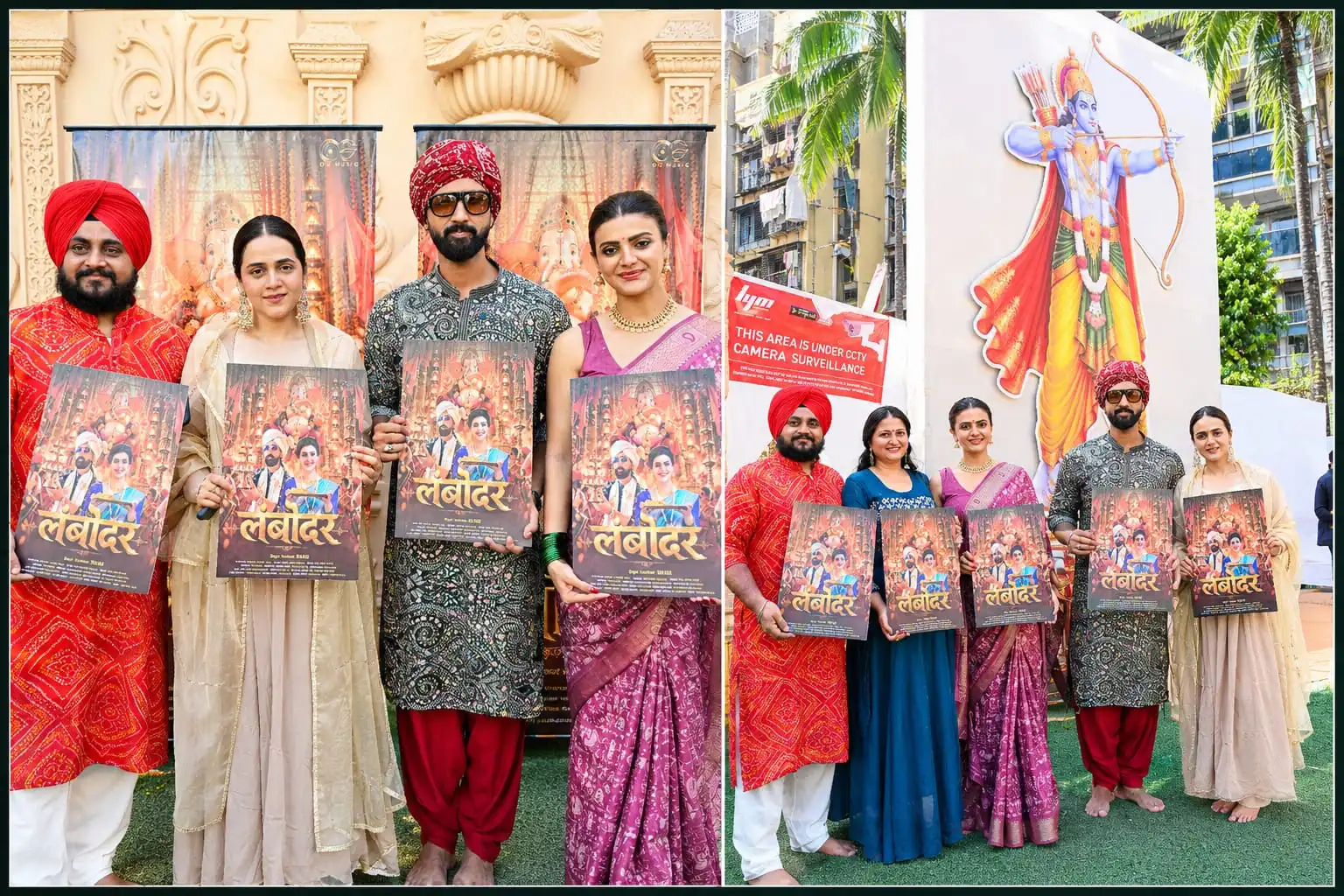
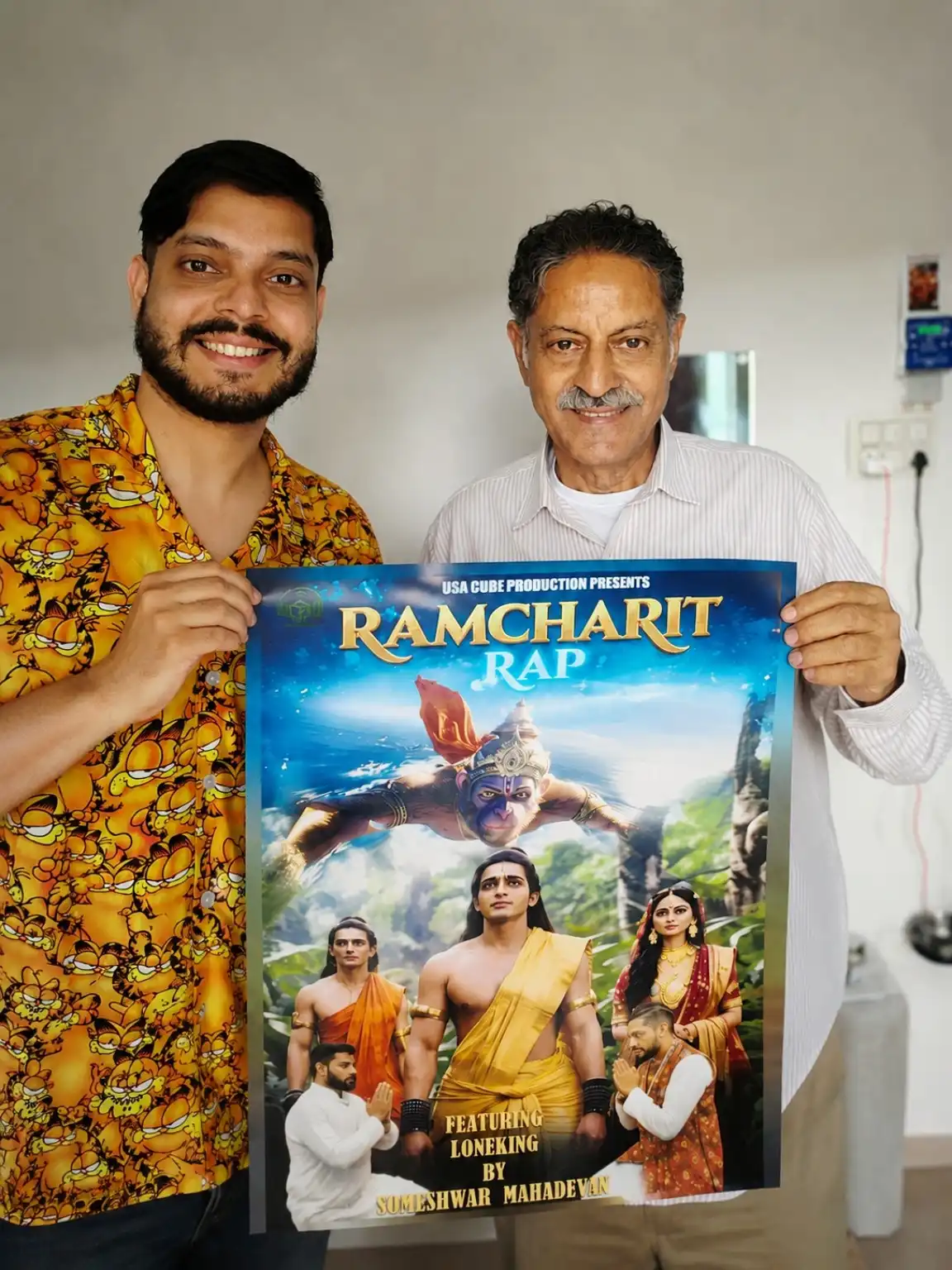 Poster Launch by NSD Actor-Director Jairoop Jeevan
Can someone connect with Ramcharit Rap even if they are not religious?
Absolutely.
You don’t have to be religious to connect with truth, loyalty, courage, responsibility, compassion, sacrifice, family or keeping one’s word.
These are human values before they are religious values.
Someone may hear Ramcharit Rap simply as music. Another may connect with its storytelling, poetry or spirituality. I am comfortable with all of those responses.
Art should be an invitation, not an examination.
If the rap creates curiosity, reflection or meaningful conversation, regardless of someone’s religious background, then it has done something worthwhile.
What would make you feel this journey has truly succeeded?
Success will not be measured only by views, awards, media coverage or the number of states we cover.
The real measure would be much simpler.
If someone who had never opened the Ramayana tells me, “I heard Ramcharit Rap, and it made me want to know more,” that would mean a great deal.
This journey has also taught me persistence. There has been no large institutional funding behind it. I have continued with my own resources, my family’s blessings and the belief that sometimes you have to begin before the world decides to support you.
For me, the real destination is not geography. It is curiosity, connection and continuity.
What should the next generation preserve — and what should they feel free to change?
I would want the next generation to preserve the values, wisdom, stories, languages, music, folk traditions and cultural identity passed down to us.
But that does not mean everything must remain exactly as it was.
They should feel free to change the format, technology, presentation and creative expression. Let them make films, animation, games, music and new forms of storytelling. Let them question and experiment.
But while changing the form, they should understand the soul of what they are carrying forward.
Culture does not survive because we freeze it. It survives because every generation finds the courage to carry it forward.
I don’t want the next generation to inherit our culture like an old possession. I want them to understand it deeply enough to make it their own — and carry it forward in their own voice.
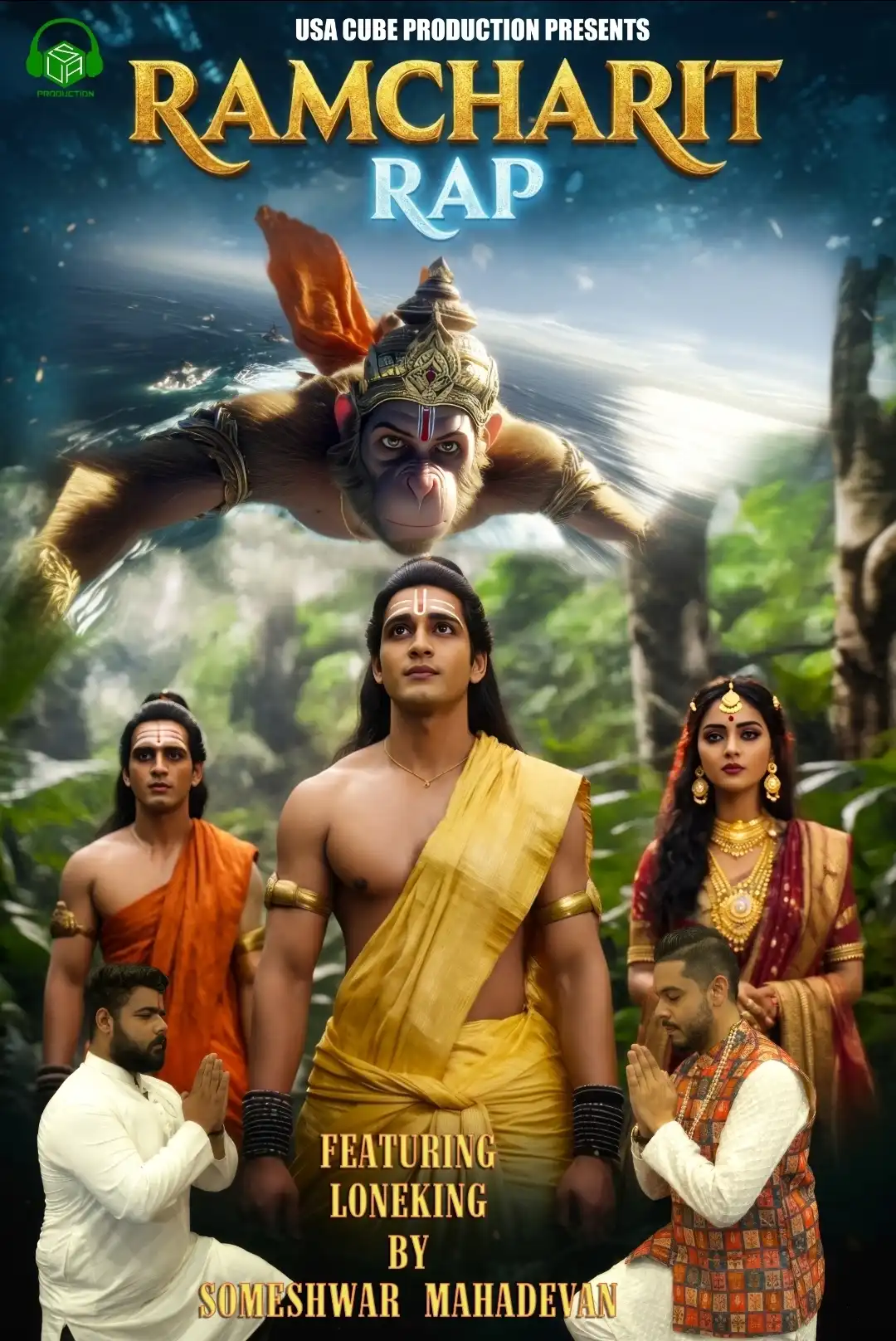 Ramcharit Rap Poster